Love Me Love My Dog SVG T‑shirt Design Review
First Look: What This Design Says Before You Stitch
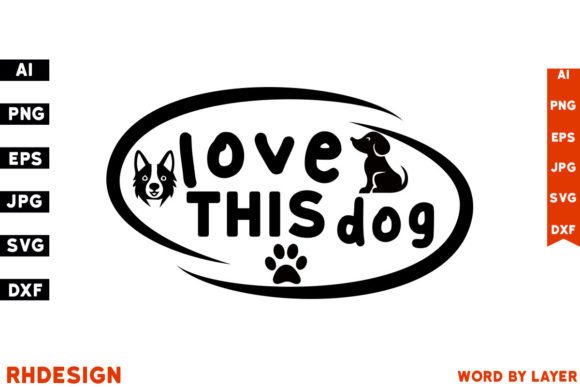
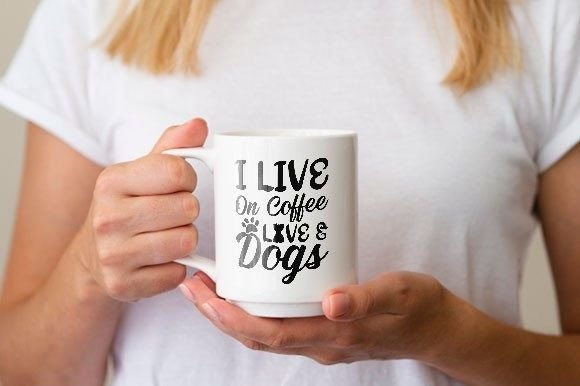
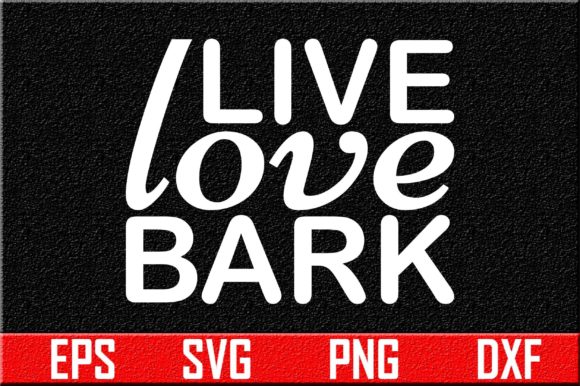
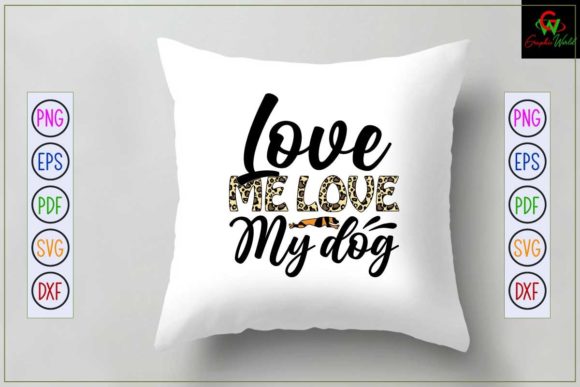
The moment I opened the Love Me Love My Dog SVG T‑shirt Design, I felt that immediate nod of recognition every designer knows. This is not a complicated, multi‑layer piece. It’s direct, clean, and carries a sentiment that connects instantly with anyone who shares their life with a dog. The typography has a casual, handwritten feel—approachable without being sloppy. The layout feels balanced: the words anchor the composition, and the absence of heavy ornamentation leaves room for the message to breathe. For an embroidery project, that kind of clarity is gold. It tells you right away that this digital embroidery file will translate well into thread, provided you handle the stitch density thoughtfully.
This design belongs naturally to the Graphics category, but it’s the transition from screen to fabric that matters for someone running a craft business or selling on Etsy. The vintage touch in the lettering gives it a soft, nostalgic feel that works equally well on a toddler’s onesie and a grown‑up’s favorite hoodie. That versatility is exactly what a busy apparel decorator or small shop product maker looks for in a single design asset.
Real‑World Scenario: A Custom Tote Bag for a Dog Mom
Let me walk you through how I tested this machine embroidery design recently. A client wanted a tote bag for her sister—a dedicated dog rescue volunteer. The bag was a heavy canvas, natural color, and we needed a design that would feel personal, not generic. I chose the Love Me Love My Dog SVG T‑shirt Design because its typography‑driven layout resists the “sticker‑look” that some vector files develop after stitching. I reduced the size slightly to fit a 5x7 hoop, and the result was immediate. The satin stitches on the thicker parts of the letters held their shape, and the thinner strokes read cleanly as running stitch accents. The client’s sister cried a little when she saw it—that’s the kind of engagement a design like this can deliver when it’s placed correctly.
This scenario confirms that the design performs beautifully on custom apparel and accessories like tote bags, aprons, and even pillow covers. The sentiment is strong enough that you don’t need extra decorations. In fact, adding too many embellishments would dilute the message. For personalized gifts, especially for dog lovers, this is a quick win.
Where the Design Shines in Your Product Line
- Custom apparel: T‑shirts, sweatshirts, and hoodies are the obvious home for this design. The word‑based layout sits well on a chest or upper back.
- Baby embroidery: Resize it for a onesie or burp cloth. The font’s soft edges keep it from feeling too adult.
- Embroidered patches: Because the design is compact and not overly detailed, it digitizes nicely into a patch that can be ironed onto jackets, bags, or caps.
- Boutique merchandise: Canvas totes, kitchen towels, and even nursery decor (like a small hoop frame) work with minimal adjustments.
- Holiday gifts: Pair it with a dog‑themed color palette for Christmas or a birthday. The design’s vintage feel also fits well with fall colors.
- Printable mockups: Since it’s an SVG vector, it’s ideal for creating product previews that look professional on Etsy or your own site. The sublimation mention in the product description is a bonus—if your workflow includes that method, the design holds its shape and legibility.
Where to Use This Design with Care
No design is universal. Here’s where the Love Me Love My Dog SVG T‑shirt Design requires extra attention:
- Very small hoop sizes (4x4 and under): At small sizes, the thinner parts of the letters can become too fine for fill stitch or satin stitch to hold. Test it on scrap fabric first. If you work primarily with applique design, this may not be the best candidate—the lettering’s detail doesn’t lend itself to fabric layers underneath. Stick with direct embroidery for precision.
- Stretchy or thin fabrics: T‑shirt knits require a tear‑away or cut‑away stabilizer that matches the fabric weight. The design has moderate stitch density in the heavier letters, which can cause puckering on lightweight knits if you don’t stabilize well. A running stitch outline helps anchor the design before the fill.
- Dark fabrics: The design relies on contrast. If you stitch it in a dark thread on a dark fabric, the message will be lost. A light‑colored thread (white, cream, soft pastel) is essential for readability on black or navy. Alternatively, use a thread color that pops, like bright red or turquoise, and test how the vintage feel reads in that color.
- Curved surfaces (caps, beanies): The design’s horizontal word layout works best on flat or gently curved areas. On a cap, you might need to digitize it slightly curved to follow the crown. The hoop size for a cap frame is limited, so consider a smaller version placed on the front panel rather than the side.
- Frequent washing items: For kitchen towels or baby items that get heavy wear, check the stitch density. Dense fill stitches can cause the fabric to distort after repeated washing. Use a high‑quality stabilizer and consider reducing the density slightly in your digitizing software.
Practical Designer Notes Before You Stitch
- Test on scrap fabric first. Always. The design may look simple, but the interaction of the font with your specific fabric and thread will reveal any issues with registration or pull compensation.
- Check thread color contrast. The design’s strength is its message—don’t let it get lost in a poor color match. Print a black‑and‑white mockup to see where the contrasts will fall.
- Review stitch density. If your digitizing software allows, inspect the density in the wide parts of the letters. If it’s too dense, lighten it slightly to avoid a stiff feel. If it’s too light, the letters may not cover the fabric.
- Confirm hoop size. Before resizing the design, check that the proportions remain readable. A very small version of this typography design may turn the words into a blur.
- Use proper stabilizer. For medium‑weight fabrics like sweatshirt fleece or canvas, a medium cut‑away stabilizer is usually enough. For stretchy knits, consider a double layer of tear‑away or a sticky stabilizer.
- Compare light and dark backgrounds. If you’ll be offering the product in different colors, stitch samples on both extremes. The design’s legibility should hold across the spectrum with the right thread choice.
Commercial Use and Licensing Considerations
As someone who sells finished products, I always check the license before sharing a design with a client or listing it in my Etsy seller inventory. The product description for the Love Me Love My Dog SVG T‑shirt Design states that it is a digital download and includes files for SVG, Vector, Typography, and Sublimation use. However, it does not explicitly detail the commercial licensing terms—whether you can sell a limited number of finished items, use it in unlimited commercial production, or include it in design assets for sale. Before you purchase, verify that the license fits your business model. If you plan to use the design for commercial embroidery on handmade products, craft fair merchandise, or as part of a small shop product line, you want clear permission. A quick message to the seller can save you legal headaches later.
Similarly, if you plan to resell the digital file as part of a bundle or use it in printable mockups for clients, confirm that the license covers those uses. For a craft business owner or creative entrepreneur, clarity on licensing is as important as the design’s stitchability.
Final Judgment: A Reliable Performer for Everyday Dog‑Lover Projects
The Love Me Love My Dog SVG T‑shirt Design is a solid choice for anyone who makes personalized gifts, runs an apparel decorating side hustle, or fills their Etsy shop with products that resonate emotionally with customers. It’s not an elaborate piece of graphic art—it’s a straightforward message that, when stitched well, earns smiles and strengthens brand trust. The design’s vintage typography and casual mood make it appropriate for both casual wear and gift items, from baby embroidery to handmade tote bags.
My advice: approach it like any good embroidery file—respect the limits of your equipment, your fabric, and your stabilizer, but don’t overthink it. The design delivers when placed in the right project. If you’re a small business owner or hobbyist looking for a quick, high‑impact design that connects with dog lovers, this is a practical addition to your library. Just be sure to test it, check your hoop size, and confirm the license before you sell that finished product.