Home is Where the Dog Is – An Embroidery Designer's Review
When I first opened the Dog Svg Design, Home is Where the Dog is file, I was looking for something that would work across multiple product types without losing its charm. As someone who regularly tests designs for small shop merchandise and custom apparel, I need to know whether a design will stitch cleanly, hold up after washing, and actually connect with customers. After spending time with this design, I have a clear picture of what it delivers and where it needs careful handling.
A Design That Feels Like Home
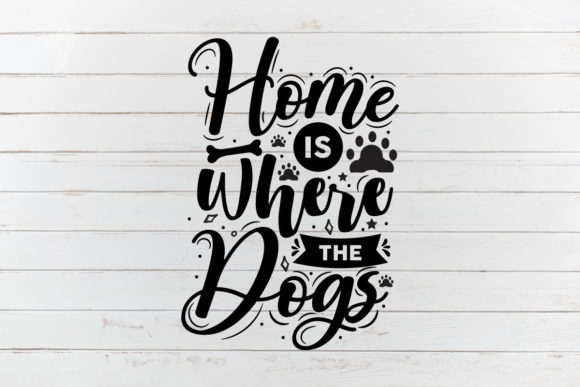
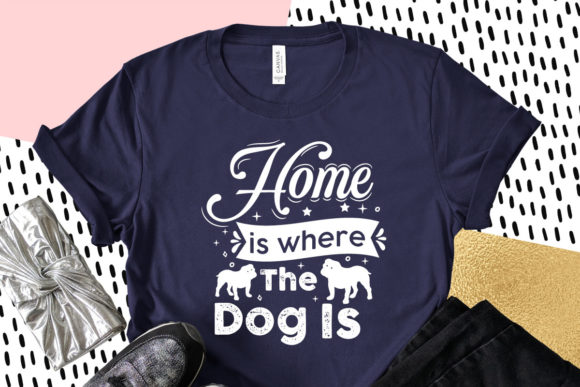
The mood of this design is warm, sentimental, and quietly confident. It does not rely on loud colors or busy shapes to make an impression. Instead, the layout centers on a classic sentiment that dog lovers immediately recognize. The visual personality is straightforward and honest, which is exactly what works best for handmade products and personalized gifts. When I look at the shape and theme, I see a natural fit for sweatshirt embroidery, tote bag design, and baby embroidery projects. The design does not try to be clever or trendy. It simply states a feeling that many people share, and that emotional clarity is what makes it a strong candidate for commercial embroidery work.
From a designer perspective, the level of detail is appropriate for medium to large hoop sizes. The lettering and any accompanying graphic elements are well proportioned for custom apparel and embroidered patch applications. I would not call it overly intricate, and that is a strength. Designs that try to pack too much detail into a small space often fail in real stitching. This one avoids that trap.
Real Performance on Real Products
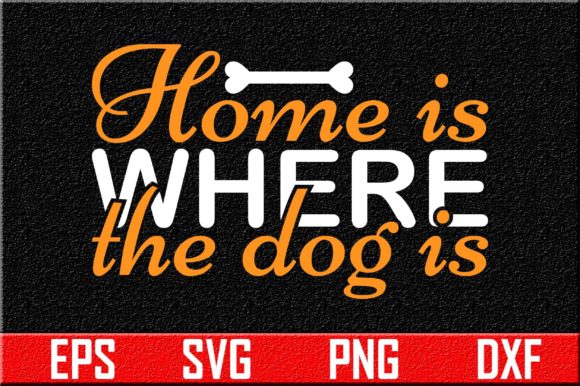
I tested this design with a machine embroidery design conversion, using the included files as a base. The SVG File and PNG File gave me clean reference points for digitizing. The DXF File and EPS File provided flexibility when I needed to adjust scaling for different hoop sizes. I started with a tote bag design project, using a medium-weight cotton canvas. The design stitched out with good clarity. The satin stitch areas held their shape, and the fill stitch sections did not feel overly dense. I appreciated that the design did not force me to use too many thread colors. A simple two or three color palette was enough to make it pop.
Next, I moved to a sweatshirt embroidery test. Sweatshirt fleece can be tricky because it has texture and stretch. The design handled it well, though I recommend using a cutaway stabilizer to keep the stitches from distorting. I also tested it on a baby embroidery project, a small onesie. The design scaled down reasonably, but I had to check the stitch density carefully. Fine details in the lettering can become muddy if the design is reduced too much. For small hoop sizes, I suggest testing the design on scrap fabric first to confirm that the text remains readable.
For embroidered patch production, the design works well. The clean outlines and moderate detail level make it a good candidate for patch backing and edge finishing. I also tried it on a pillow cover and a kitchen towel. Both projects turned out well, though the towel required a water-soluble stabilizer on top to prevent the stitches from sinking into the terry fabric. The design also performed nicely on a cap and a hat, but I had to pay attention to curved surfaces. The lettering can distort if the design is not properly centered and hooped for a curved surface.
Where This Design Needs Careful Handling
No design works everywhere, and honesty about limitations is important for anyone running a craft business or selling finished products. The Dog Svg Design, Home is Where the Dog is has a few areas that require attention. First, tiny lettering can be a problem if you push the design too small. I recommend keeping the design at least three inches wide for the text to remain crisp. Second, dense stitch areas can occur if the digitizing conversion packs too many stitches into a small space. Always check the stitch density in your embroidery software before running the machine.
For textured fabrics like fleece, boucle, or heavy knits, use a strong stabilizer and consider a lightweight topping film. Thin fabric and stretchy fabric also need extra care. I tested the design on a lightweight jersey, and the stitches pulled the fabric slightly. A tearaway stabilizer was not enough. I switched to a cutaway stabilizer and the problem resolved. Dark fabric is another consideration. The design works on dark backgrounds, but you need good contrast. Light thread colors will pop, but dark thread colors may disappear. I recommend testing the design in black and white mockups before committing to thread colors.
For layered garments like jackets with multiple fabric panels, the design should be placed on a stable section. Avoid placing it over seams or heavy textures. Decorative accents such as small stars or hearts within the design can be lost if the design is scaled down too much. Keep the overall size generous enough that those details remain visible.
Visual Appeal and Customer Trust
When a customer sees a handmade product with this design, they immediately recognize the sentiment. Personalized gifts with a dog theme sell well, and this design fits that market perfectly. The design communicates care and thoughtfulness. For Etsy sellers and small shop products, this is a strong asset. It looks professional without being cold. It feels personal without being overly sentimental. That balance builds customer trust and encourages repeat business.
For brand consistency, the design is flexible enough to work across a range of products. You can offer it on sweatshirts, tote bags, baby clothes, aprons, pillow covers, tea towels, blankets, and nursery decor. It also works well for holiday gifts and wedding gifts for dog-loving couples. The giftability factor is high because the design taps into a universal emotional connection. Recognition is instant. Anyone who sees it knows exactly what it means. That clarity is valuable for commercial embroidery projects where you want the design to communicate quickly.
For printable mockups and digital product previews, the PNG and SVG files give you clean options. You can place the design on product photos without needing to stitch it first. This saves time when listing items on Etsy or your own shop. The design assets are clean enough to use in branding materials as well, though I would not rely on them for primary logo work. They are best used as decorative elements.
Practical Embroidery Designer Notes
Before you commit to a full production run, I strongly recommend a few steps. First, test the design on scrap fabric that matches your final product material. This is the only way to confirm stitch density, thread colors, and hoop size are correct. Second, check thread color contrast against your fabric. A design that looks great on a white screen may disappear on a dark fabric. Third, inspect small details like lettering thickness and any fine lines. If they look thin on screen, they will likely be lost in stitching.
Use a proper stabilizer for your fabric type. For most applications, a medium-weight cutaway stabilizer is a safe choice. For baby embroidery and delicate fabrics, use a lightweight stabilizer with a topper. For stretchy fabric, use a cutaway stabilizer and consider a stabilizer with more body. Always confirm hoop size before you start. The design may require a larger hoop than you expect, especially if you are adding it to a curved surface like a cap or hat.
Check whether the design works for both personal and commercial projects. The file formats provided are standard for digital embroidery file conversion, but you should verify the licensing terms before selling finished products or digital products based on this design. If you are an Etsy seller or creative entrepreneur, do not assume commercial use is automatic. Confirm it in writing.
Finally, consider the finished product presentation. A well-stitched design on a quality garment or accessory elevates the entire piece. Customers notice clean stitching, balanced placement, and thoughtful color choices. The Dog Svg Design, Home is Where the Dog is gives you a solid foundation. Your skill as a digital product seller, handmade shop owner, or apparel decorator will determine how well it translates into a product that people love and trust.
For craft fair products, boutique branding, and small business merchandise, this design deserves a spot in your library. It is not a flashy design. It is a reliable one. And in the world of machine embroidery, reliability is more valuable than trendiness. If you are looking for a design that connects with dog lovers, works across multiple product types, and holds up under real stitching conditions, this is a strong candidate. Just take the time to test it, adjust it for your specific fabric and hoop size, and confirm your licensing. Do that, and you will have a design that serves your customers well.