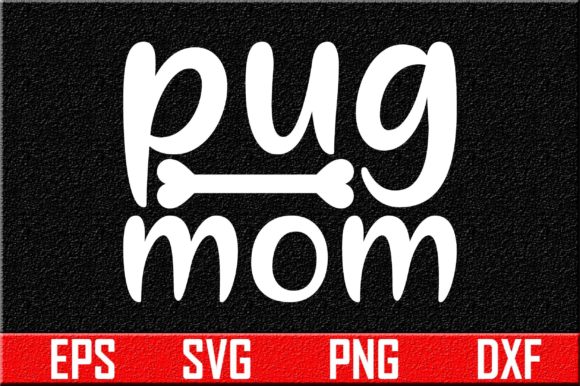
Dog Svg Design, Pug Mom: A Hands-On Review for Makers
I recently took on a project for a client who wanted a custom embroidered tote bag for her sister, a self-proclaimed crazy pug lady. I immediately thought of the Dog Svg Design, Pug Mom graphics. Unzipping the folder, I found the standard set of digital assets: SVG, PNG, DXF, and EPS. As someone who spends a lot of time converting flat graphics into stitched reality, I knew this design had potential, but it required a specific approach to really shine in thread. This review is written from the perspective of an experienced designer who needs to know how a file will perform in a real embroidery project, not just how it looks on a screen.
First Impressions: The Emotional Pull of the Pug
The design captures the distinctive, squishy face of a pug with an endearing, almost cartoonish charm. The "Pug Mom" text is bold and clean, making it highly readable from a distance. The mood is affectionate, playful, and instantly recognizable to anyone in the pug-loving community. It fits squarely into the Crafts and Graphics categories, but as an embroidery designer, I immediately start thinking about stitch types, density, and how the shape will hold up under a needle. The layout is balanced and centered, making it an obvious choice for a front chest placement on a sweatshirt or the center panel of a tote bag.
Critical Format Check: Vector vs. Machine File
Experienced embroiderers will notice the critical detail right away: the primary file is an SVG, which is a vector graphic, not a native machine embroidery file like .PES or .DST. This is a common point of confusion for newer makers. You cannot load an SVG directly into a standard embroidery machine and press start. You will need digitizing software (such as Hatch, Wilcom, or Embrilliance) to import the vector and map the stitch paths.
However, this is actually a powerful advantage. It gives you, the designer, complete control over stitch density, underlay, and pull compensation. You aren't stuck with a pre-digitalized file that might have poor tension or bizarre stitch orders. The included PNG is excellent for creating printable mockups, while the DXF and EPS give you flexibility for cutting patches or working in other design software. Just be aware of the extra step required before you can load it into your machine.
Real-World Scenario 1: The Sturdy Tote Bag
For the canvas tote bag, I digitized the SVG with a medium-density tatami fill for the pug's face and a satin stitch for the outline and text. The result was fantastic. Canvas is a forgiving, stable fabric that doesn't stretch much, so the stitches held their shape perfectly. The design's bold lines translated into a durable, washable finish. The tote bag felt substantial and giftable.
If you are an Etsy seller looking for a quick, high-margin product, this is a solid use case. The "Pug Mom" design appeals to a niche market that is willing to pay for personalized apparel and accessories. I would recommend testing the design on a scrap piece of canvas first to confirm the thread color contrast. A light brown pug on a black tote bag is a classic, eye-catching combination.
Real-World Scenario 2: The Soft Baby Onesie
This is where things get trickier. I tested the design on a baby onesie for a friend's newborn. The fabric was a soft, stretchy 100% cotton jersey. I immediately knew I needed to adjust my approach. I reduced the stitch density by about 15% to prevent the fabric from puckering and used a high-quality cut-away stabilizer to provide lasting support.
The "Pug Mom" text, which was small, needed to be checked carefully. Satin stitches on small text can sometimes blur together on stretchy fabric. I switched to a slightly wider fill stitch for the letters to improve legibility. The test stitch saved me here. If I had stitched it directly onto the onesie without testing, the result would have been distorted. Always test on a fabric swatch that matches your final product.
Where This Design Shines Beyond Apparel
While the design works well on clothing, I see its true potential in other applications:
- Embroidered Patches: The DXF file provides a clean, precise outline. I used it to create a laser-cut patch with a merrowed edge. Patches are a fantastic way to add the design to hats, jackets, or backpacks without stitching directly on a difficult or curved surface.
- Pillow Covers: A structured linen or cotton pillow cover is a perfect canvas. The embroidery stays crisp, and the design becomes a decorative statement piece for a home.
- Kitchen Towels & Linens: These are popular, low-cost items for a craft business. The design adds a touch of humor and personality to an everyday item. Just be sure to use a tear-away stabilizer and a short stitch length to prevent the design from pulling on the fabric weave.
- Holiday Gifts: "Pug Mom" is an evergreen gift idea. Pair it with a custom color palette (red and green for Christmas, pink and red for Valentine's Day) to make it seasonal.
Technical Considerations for a Flawless Finish
As a designer, I always run through a mental checklist before committing thread to fabric. Here are my notes on the Dog Svg Design, Pug Mom:
- Stitch Density & Detail: The pug face has natural contours. Use a combination of fill stitches and satin stitches to create depth. The eyes and nose need to be clearly defined. If the density is too high, the fabric will pucker. If it's too low, the fabric will show through the stitches.
- Hoop Size: The design looks like it would fit comfortably in a 4x4 or 5x7 hoop. I would test it in the smaller size first to see if the "Pug Mom" text remains legible. If the text is too small, consider dropping it or making it a separate, larger element.
- Thread Colors & Contrast: The beauty of a vector file is that you can easily change the colors. For a classic look, use tan, black, and white. For a modern baby gift, try a soft gray, mint green, and white. Avoid dark thread on dark fabric, or light thread on light fabric—the design will disappear.
- Fabric Texture: Avoid high-pile fabrics like fleece or terry cloth for the detailed pug face. The texture can obscure the fine details of the eyes and wrinkles. Smooth knits, wovens, and canvas are your best options.
- Frequent Washing: If this is for a baby bib or a kitchen towel, use a high-quality cut-away stabilizer. This prevents the stitches from puckering over time and ensures the design lasts as long as the product itself.
Marketability: Why "Pug Mom" Sells
There is a strong emotional connection to pet designs. The "Pug Mom" title taps into a specific lifestyle and identity. For an Etsy seller or a small shop owner, this is a goldmine. It is a targeted design that speaks directly to a niche audience. The Crafts market is broad, but a design like this helps a shop establish a distinct brand. It is not just a generic dog; it is a specific breed, which shows attention to detail and an understanding of the customer.
This design also has high "giftability." People love to buy personalized items for their friends and family. A custom embroidered sweatshirt or tote bag with this design makes for a thoughtful, high-perceived-value gift. If you are selling at a craft fair, display this design prominently. Pug owners will find you.
Final Verdict: Smart Design, Smart Business
The Dog Svg Design, Pug Mom is a solid, well-crafted digital asset. It is not a plug-and-play embroidery file, but for the experienced maker, it provides a fantastic foundation for creating high-quality, customized embroidered products.
Before you start selling finished products or using the design in your craft business, I recommend the following steps:
- Test it on scrap fabric first. Hoop up a piece of fabric that matches your final product and run the stitch file. Adjust the density and tension as needed.
- Check the licensing terms. The seller indicated the files are SVG, PNG, DXF, and EPS. Confirm whether the license allows commercial embroidery and selling of the finished product. This is a standard step for any digital embroidery file or graphic asset.
- Check the size. Use the vector file to scale the design up or down without losing quality, but be aware that extreme scaling can affect stitch density.
- Use proper stabilizer. Do not skip this step. It is the difference between a professional-looking handmade product and a puckered mess.
In my opinion, this design is a worthy addition to any embroidery project library. It translates well to thread, connects with a passionate audience, and gives you the flexibility to create truly unique custom apparel and personalized gifts.