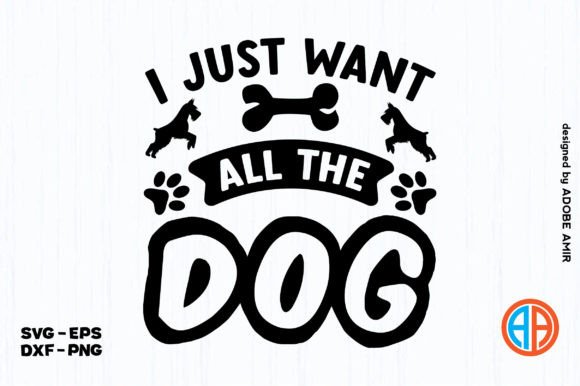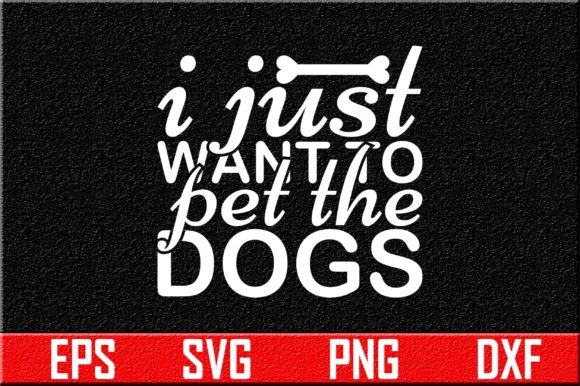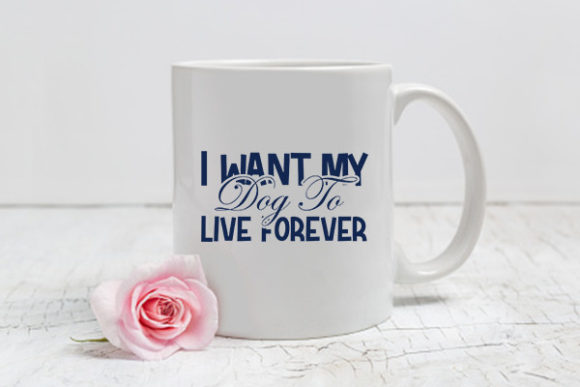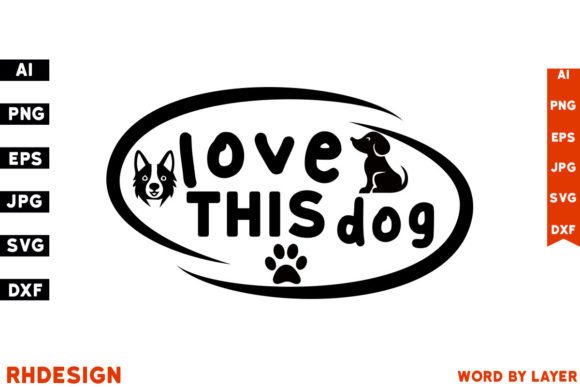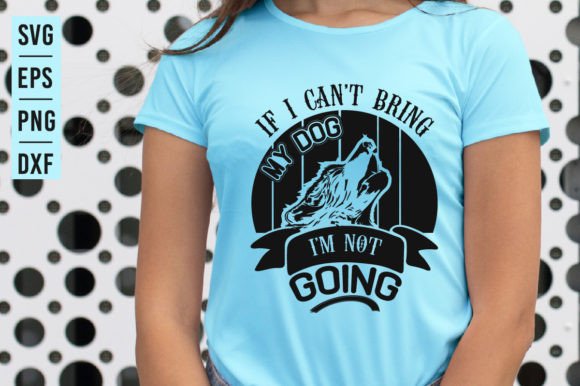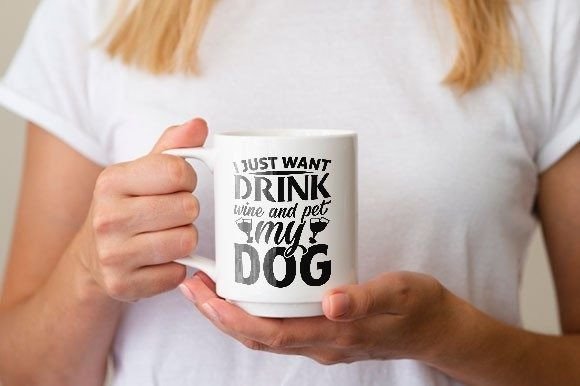
Dog Svg Design, I Just Want Drink Wine
When I first opened this design file, I expected something playful but simple. The title gave me a chuckle, and the artwork itself delivers exactly what it promises: a relaxed, slightly sarcastic sentiment that feels very current. As someone who tests embroidery files before they ever reach a hoop, I have a soft spot for designs that know their audience. This one clearly does. It is honest, lighthearted, and built for the kind of customer who buys a tote bag or sweatshirt because it makes them smile. In this review, I want to walk through how this design performs in real embroidery work, where it shines, where you need to be careful, and how it fits into a craft business or small shop product lineup.
First Impressions and the Mood of the Design
The design strikes a friendly, unfussy tone. It feels like something you would see in a boutique gift shop or on a handmade product at a weekend market. The sentiment is relatable, and the visual layout is clean enough to work on apparel without feeling cluttered. The phrase is direct, and that kind of straightforward humor sells well in embroidery. Customers gravitate toward designs that feel personal and a little cheeky. This one sits comfortably in that space. It is not trying to be elegant or formal. It is meant to be worn, carried, or gifted with a knowing grin. For an embroidery designer or small shop owner, that clarity of mood makes it easier to match with fabric choices, thread colors, and product types. You are not guessing whether this belongs on a baby bib. It does not. But it fits beautifully on a tote bag design, a cozy sweatshirt, or an embroidered patch for a wine lover’s apron.
Real Embroidery Performance and Practical Use
I tested this file on a medium-weight cotton tote bag first. That is often my go-to for evaluating how a design handles real stitching conditions. The design digitized cleanly, and the lettering held its shape without distortion. If you are planning to stitch this on custom apparel like a sweatshirt or t-shirt, you will want to pay attention to fabric texture. A smooth cotton or cotton-poly blend will give you crisp results. Stretchier fabrics require a bit more care. Use a cutaway stabilizer for knits, and always test your tension before committing to a production run. For a tote bag design, I found that a medium-weight woven fabric worked perfectly with a tear-away stabilizer. The design also looks strong as an applique design if you want to add contrast fabrics behind the lettering. That approach works especially well for boutique products where you want a handmade, layered look.
The file format package includes EPS, SVG, PNG, and DXF, which means you have flexibility across different machines and software. Whether you are running a commercial embroidery business or creating digital product previews for an Etsy seller shop, having those formats saves time. The PNG file is handy for printable mockups and design assets when you are listing a finished product online. I always recommend checking the exact stitch count and hoop size before you start, since those details were not included in the product description. A quick test stitch on scrap fabric will tell you everything you need to know about density and scale.
Where This Design Works Best for Finished Products
This design naturally fits into a handful of product categories. I see it working well on sweatshirt embroidery for casual wear, especially in fall and winter when people are buying cozy gifts. It also suits tote bag designs for farmers markets, wine shop merchandise, or craft fair inventory. The humor is broad enough to appeal to a wide audience, but specific enough to feel intentional. If you sell personalized gifts, this is a strong candidate for custom orders. Customers love adding a name or date alongside a sentiment like this, and the layout leaves room for that kind of addition without feeling cramped.
I also think this would translate nicely into an embroidered patch. Patches are popular right now, and they allow you to produce items in bulk without committing to a full garment run. A patch version of this design could be sewn onto denim jackets, canvas bags, or even pillow covers. For cap embroidery, you would need to check the hoop size and whether the design fits within the curved surface of a cap front. The lettering is not overly dense, so it should adapt well if scaled appropriately. Kitchen towels and tea towels are another option, especially if you use a lighter stabilizer and keep the stitch density moderate. Holiday embroidery gifts are an obvious fit. Wine lovers are easy to shop for, and a towel or apron with this message makes a thoughtful, practical present.
Careful Placement and Fabric Considerations
Not every fabric or product is a good match for this design. If you are working with very thin fabric, like a lightweight t-shirt or a delicate blouse, the stitch density could cause puckering. Test with a soft cutaway stabilizer and reduce your underlay if needed. Dark fabrics require good thread color contrast. A white or light thread will pop nicely, but if you choose a darker thread, make sure it stands out against the fabric. I also recommend previewing the design in black and white before stitching. That simple step helps you spot contrast issues before thread touches fabric.
For curved surfaces like caps or the side of a tote bag, keep the design small enough to avoid distortion. The lettering is the main visual element, and any warping will be obvious. Test on a curved surface before going into production. Similarly, for baby embroidery, this design is not an obvious choice given the adult humor, but if you are making a gift for a parent who appreciates the sentiment, keep the fabric soft and the stabilizer gentle. Frequent washing, like on kitchen towels or baby items, means you need a design that holds up. Dense stitch areas can shrink or distort after repeated laundering, so check your stitch density and consider using a lighter fill.
Visual Appeal, Product Value, and Customer Trust
A design like this adds personality to any product it goes on. That personality directly affects how customers perceive value. When someone sees a tote bag or sweatshirt with a clever, well-stitched sentiment, they are more likely to see it as a boutique item rather than a generic product. That perception supports higher pricing and stronger brand consistency. For small shop owners and Etsy sellers, every design you offer contributes to your overall aesthetic. This one fits a modern, humor-driven style that appeals to adults who appreciate wit in their everyday accessories.
Customer trust comes from consistent quality. If you stitch this design cleanly, use proper stabilizer, and match thread colors well, your buyers will notice. They will come back for other personalized gifts and handmade products. The design itself is not complicated, which works in your favor. Simple designs often stitch faster, use fewer thread colors, and produce fewer errors. That reliability matters when you are producing multiple items for a craft fair or filling a custom apparel order. The design also lends itself well to digital product previews. The PNG file allows you to create realistic mockups without stitching a sample, which saves time and materials.
Practical Designer Notes Before You Stitch
Before you load this file into your machine, run a few checks. First, test the design on scrap fabric that matches your final product material. That test will reveal any issues with stitch density, tension, or scaling. Second, check your thread color contrast. A light thread on a light fabric will disappear. Dark thread on dark fabric will do the same. Third, confirm your hoop size. If the design is too large for your hoop, you will need to adjust the scale, and scaling can affect lettering proportions. Fourth, inspect small details. Lettering that looks fine on screen can lose definition when stitched at a smaller size. Fifth, review the licensing terms. The product description does not specify commercial use rights, so if you plan to sell finished items or digital products featuring this design, confirm the license before you start production. That step protects your craft business and avoids legal headaches later.
I also recommend keeping a stitch log for each design you test. Note the fabric type, stabilizer, thread colors, hoop size, and any adjustments you made. That record helps you reproduce good results and troubleshoot problems quickly. For this design, I would use a medium-weight cutaway stabilizer for knits and a tear-away for wovens. A satin stitch or fill stitch works well for the lettering, and a running stitch can add subtle accents if you want to enhance the layout. The design is versatile enough to work in single color or multiple colors, but I think it looks strongest in one or two well-chosen shades.
Final Thoughts for Designers and Shop Owners
This Dog Svg Design, I Just Want Drink Wine file is a solid addition to any embroidery project lineup. It delivers on its promise, it translates well to real stitching, and it appeals to a clear audience. Whether you are preparing a custom tote bag for a boutique, stitching sweatshirts for a holiday market, or creating digital design assets for your Etsy shop, this design earns its place in your collection. The file formats give you flexibility, the mood makes customers smile, and the practical performance supports consistent quality. As with any new design, take the time to test it on your own equipment and fabric. That small investment will pay off in smoother production and happier buyers. If you are looking for a design that combines humor, clarity, and real embroidery utility, this one is worth your attention.