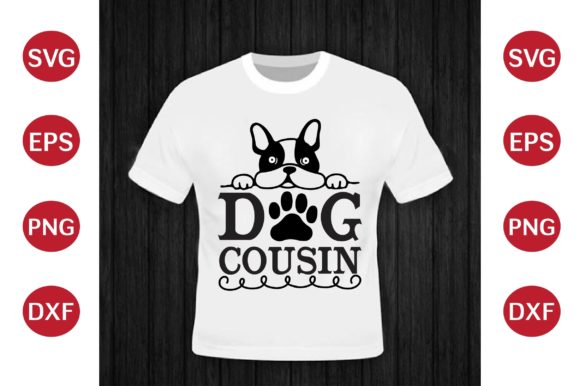
Dog SVG Design Dog Cousin: A Designer's Take Before You Stitch
When I first opened the files for Dog SVG Design Dog Cousin, I was curious how this graphic would translate into an actual embroidery project. As someone who has digitized, stitched out, and sold hundreds of embroidered products over the years, I know that what looks good on screen does not always hold up in thread. This design, delivered as an SVG, EPS, DXF, and PNG in a compressed zip folder, has a particular visual personality that immediately suggested certain project directions to me. I want to walk through how I evaluate a design like this before I commit it to fabric, what kinds of finished products it suits best, and where you might want to exercise caution before pressing start on your machine.
First Impressions: Mood and Visual Personality
The title Dog Cousin hints at a playful, affectionate theme, and the design itself carries that energy. The shape and layout feel approachable rather than overly intricate, which is often a smart choice for embroidery because it keeps the stitch count reasonable and the visual impact clear from a distance. The mood is warm and slightly humorous, which makes it a natural fit for personalized gifts, casual apparel, and boutique merchandise where the buyer wants something that feels personal without being overly sentimental. I immediately thought of custom tote bags for dog owners, embroidered sweatshirts for pet lovers, and perhaps a playful patch for a small-batch product line. The design has enough character to stand alone but also leaves room for additional text or a secondary motif if you want to build a composition.
How It Performs in Real Embroidery Projects
I have learned that the true test of any embroidery design is how it behaves under the needle. With Dog SVG Design Dog Cousin, the key factors are the overall size you choose to stitch it at, the fabric you stitch it on, and the thread colors you select. Because the design has a clear outline and solid interior shapes, it should translate well into satin stitch, fill stitch, or even a combination approach depending on the look you want. The running stitch details, if present, will need enough room to register cleanly, so I recommend testing the design at several sizes on scrap fabric before committing to a final product.
In my experience, designs in the Crafts and Graphics category often come from illustrators who think in vector layers rather than thread paths. That means you may need to adjust stitch density, pull compensation, and underlay to get a clean result. I have found that designs with moderate detail like this one tend to perform best on medium-weight woven fabrics, denim, twill, and stable knits. For a custom apparel product like a sweatshirt or a t-shirt, you will want a good cutaway stabilizer and a hoop size that allows the design to sit without distortion. If you are making an embroidered patch, this design is well suited because the shapes are distinct enough to tolerate a border stitch and trimming close to the edge.
A Real Scenario: Preparing a Custom Tote Bag for a Small Shop
Let me walk you through a realistic project. A customer walks into my shop and wants a small run of personalized tote bags as holiday gifts for her dog-walking group. She wants something fun but not too cartoonish. I immediately think of Dog SVG Design Dog Cousin. I load the SVG into my digitizing software, check the path quality, and confirm that the file converts well to my embroidery machine format. I test it on a scrap piece of cotton twill at a hoop size that keeps the design centered and proportional. The stitch out is clean, the thread changes are minimal, and the design reads well from across the room. I then stitch it onto a natural canvas tote bag with a dark brown thread for contrast, and the result looks handmade without looking sloppy. The customer loves it, and I end up making twelve more. That is the kind of real-world usefulness this design offers when you take the time to test and adapt it properly.
Where to Use This Design with Confidence
Over the years, I have found that certain projects simply work better with designs that have a clear silhouette and a friendly tone. Dog SVG Design Dog Cousin fits comfortably into several product categories. Consider using it for custom embroidered sweatshirts, baby bodysuits or blankets if the size is scaled down appropriately, aprons for a pet-themed kitchen or café, pillow covers for a nursery or den, tea towels as quick gifts, caps and hats if you can adjust the design to sit well on a curved surface, and holiday ornaments or decorations if you stitch it onto felt or wool blend fabric. For Etsy sellers and small shop owners, this design could also serve as a printable mockup element for digital product previews, especially when paired with lifestyle photos of the finished item.
I also think this design has potential as a small embroidered patch that can be ironed or sewn onto jackets, backpacks, and dog accessories. Patches are popular in handmade shops because they are low-cost to produce and high in perceived value. If you digitize the design with a satin stitch border and a clean edge, it becomes a versatile add-on product that complements your main apparel line.
Where to Be Cautious Before Stitching
Not every design works everywhere, and I always advise being honest about limitations. With Dog SVG Design Dog Cousin, you should be careful when stitching on very thin or stretchy fabrics like lightweight jersey or silk charmeuse. The stitch density may cause puckering or distortion if the fabric is not properly stabilized. I also recommend testing the design on dark fabric before committing to production. If the design relies on fine lines or small interior details, those could disappear into a dark background unless you use a light thread color with high contrast. Conversely, on light fabric, dark thread will pop nicely, but you still need to check that the inner shapes remain distinct.
Another area where I have seen designs like this struggle is on highly textured fabrics such as fleece, bouclé, or heavy sweater knits. The texture can swallow fine details and make the design look blurry. If you plan to use it on a curved surface like a cap, you may need to reduce the overall size and add extra stabilization to prevent distortion around the crown. Also, if you are combining this design with lettering or other motifs, leave enough breathing room so the visual elements do not crowd each other. Dense stitch areas can cause needle breaks or thread tension issues if the design is scaled too small, so always test before you stitch a batch.
Visual Appeal, Customer Trust, and Brand Consistency
When a customer buys a handmade embroidered product, they are paying for the look, the feel, and the story behind it. Dog SVG Design Dog Cousin has a friendly, recognizable character that can help build trust and recognition if you use it consistently across your product line. A design that stitches out cleanly and looks professional on a finished item tells the customer that you care about quality. That matters whether you are selling at a craft fair, on Etsy, or through your own boutique website. I have seen small businesses build a loyal following simply by using the same core designs across multiple product types, creating a cohesive brand identity. This design could easily become that kind of anchor motif for a pet-focused product line.
The giftability factor is also worth considering. Personalized gifts with a thoughtful design tend to resonate more with buyers. If you offer custom names, dates, or small variations alongside this design, you increase the perceived value and the likelihood of repeat orders. The design itself is not so niche that it only works for one occasion, which adds to its versatility.
Practical Embroidery Designer Notes Before You Stitch
Before you commit this design to a finished product, I strongly recommend a few steps that will save you time, thread, and frustration. First, test the design on scrap fabric that matches your final material as closely as possible. Check the thread color contrast both in natural light and under the shop lighting where the product will be sold. Review the stitch density in your digitizing software and make adjustments if the design looks too dense or too sparse. Confirm that your hoop size is appropriate for the size you plan to stitch, and that the design does not crowd the hoop edges. If the file includes small details, inspect them closely at the stitch level to ensure they will not turn into thread blobs. I always test a black and white mockup of the design to see how it reads without color, which helps me spot any shape issues that color might disguise.
Compare how the design looks on light fabric versus dark fabric. The same design can feel completely different depending on the background. Use the proper stabilizer for your fabric type: cutaway for knits, tearaway for wovens, and a heavier stabilizer for caps or bags. If you are selling finished items, check the licensing terms for the design to confirm whether commercial use is allowed. The product description mentions that the files can be used, but you should verify the specifics before selling stitched products or bundling the digital file. I also recommend testing the design after washing if the product will be laundered frequently, as some thread colors and stitch types behave differently after a wash cycle.
Final Thoughts on Using This Design in Your Embroidery Work
Dog SVG Design Dog Cousin offers a solid foundation for a variety of embroidery projects, especially for custom apparel, personalized gifts, and small shop merchandise. Its friendly visual personality and moderate detail level make it approachable for both experienced embroiderers and those still building their skills. The key to success with any design is preparation: test first, adjust as needed, and always consider the end product from the customer's perspective. If you take the time to dial in the size, fabric, thread, and stabilizer, this design can become a reliable part of your project lineup. Whether you are stitching a one-off gift for a friend or scaling up for a craft business, the effort you put into the setup will show in the finished piece. I have seen too many good designs fail because of rushed preparation. Do not let that be you. Treat this design as a tool that needs tuning, and it will reward you with clean stitch outs and happy customers.